
 EN



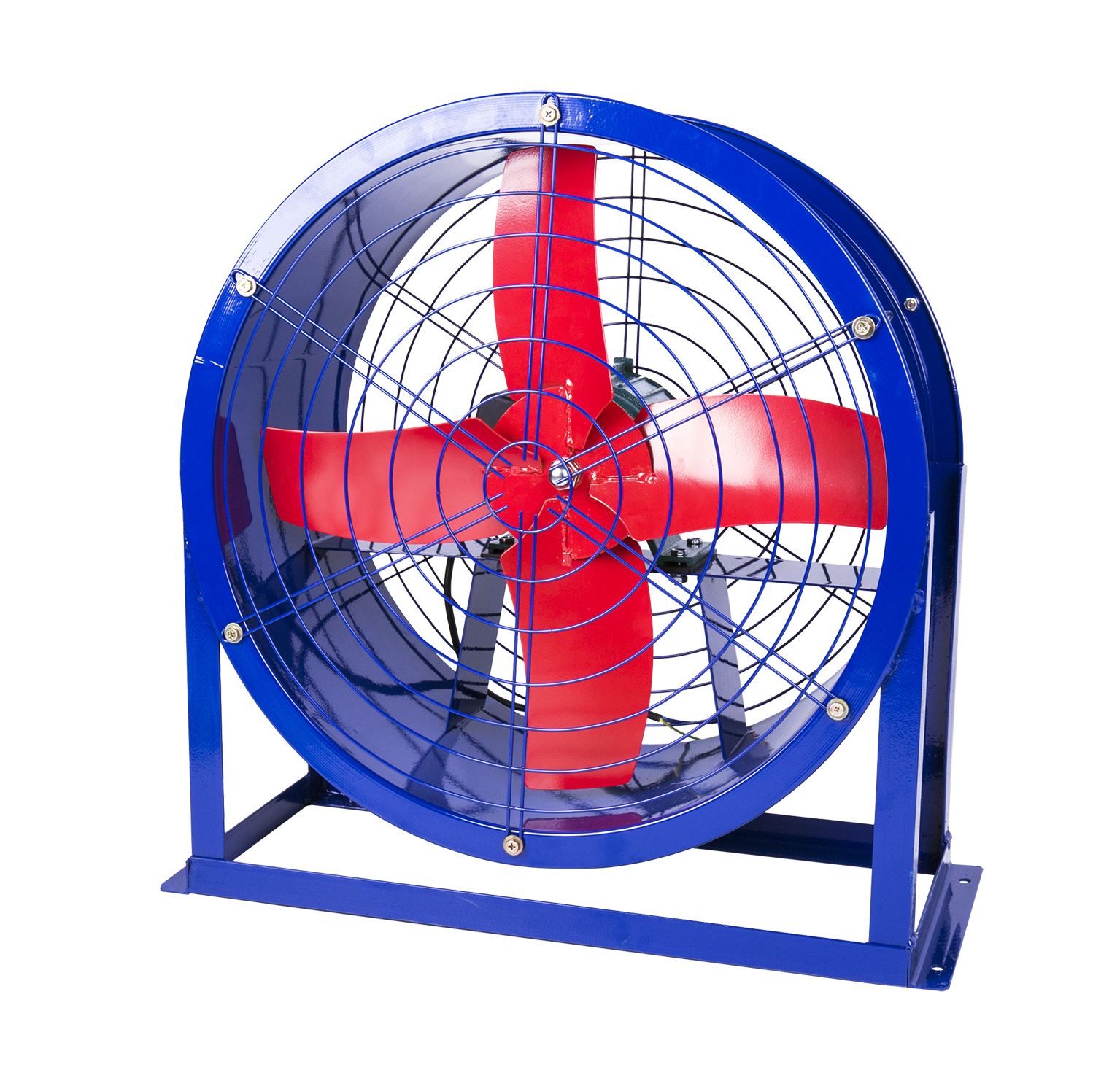
Walk through most production halls on a summer afternoon and the discomfort is immediate: hot machines, fixed workstations, floor space claimed by racks and trolleys. A heavy duty wall fan resolves that conflict neatly, delivering serious airflow while occupying no working floor. Wall-mounted units have moved from niche to mainstream among industrial buyers.
Why Wall Mounting Wins in Industrial Workspaces
Freeing Floor Space Where It Matters
Every square metre of workshop floor either earns revenue or blocks it. Pedestal fans constantly lose that argument: knocked over by forklifts, dragged across aisles, repositioned at will. A heavy duty wall fan mounted at two and a half to three metres throws air across workstations while leaving the floor clear for material handling. Swivel brackets rated well beyond the fan's weight add flexible positioning.
Bracket Load and Vibration Control
A wall fan that shakes its anchor eventually tears it out. Good designs manage vibration at three points: dynamically balanced blades, a rigid steel yoke, and rubber-isolated joints that absorb resonance before it reaches the wall. Hollow partitions cannot carry what reinforced concrete can, so bracket type and anchor hardware must match the wall material, with bolts re-torqued after the first month.
Field Lesson From Monterrey
A production supervisor at a metal fabrication plant in Monterrey kept hearing complaints from welders beside hot processes. Pedestal fans crowded the narrow aisles and kept getting clipped by trolleys. The facility replaced them with six industrial wall mounted fans on load-rated brackets, each sweeping a ninety-degree arc across paired workstations. Within a month the supervisor reported fewer heat-related pauses and roughly thirty percent less discomfort-related downtime.
The Engineering Behind Dependable Airflow
Motor Design and Thermal Protection
Continuous duty punishes cheap motors. Copper-wound stators with built-in thermal overload protection cut power before windings overheat, which is why established manufacturers build the safeguard into the motor rather than trusting an external fuse. Sealed ball bearings keep friction low and dust out. Duty cycle matters too: heavy duty wall fan motors rated for continuous S1 operation handle long shifts; household-grade windings degrade fast under identical loads. Ask for winding class and protection type.
Blade Pitch, CFM and Tested Performance
Two fans of identical diameter can move very different volumes of air. Blade pitch, the angle each blade presents to oncoming air, largely decides how much volume moves per revolution, matched to motor torque rather than maximized blindly. Credible CFM figures come from standardized testing: ISO 5801 governs fan performance testing, giving buyers a fair basis for comparing quotations. When comparing heavy duty wall fan offers, request data at realistic operating conditions, not free-air brochure numbers.
Sealing and Environmental Resistance
Workshops are hostile to electronics: grinding dust, oil mist, the occasional washdown splash. A sealed motor housing rated IP44 or above shrugs off dust and splashing water, while guards, brackets and fasteners should carry a corrosion-resistant coating, especially near coasts or humid processes.
Choosing, Installing and Maintaining the Unit
A Practical Selection Checklist
Start with the room: measure floor area, ceiling height and heat sources, then match total CFM to the space needing refresh. Confirm the mounting bracket load rating and oscillation coverage. Verify motor protection class and request performance test reports. When shortlisting a heavy duty wall fan, run the sample at full speed on a rigid bench; a wobbling unit only wobbles harder once mounted.
Maintenance That Extends Service Life
Wall fans survive on simple routines. Clean guards and blades quarterly, because accumulated dust unbalances blades and drags airflow down. Re-check anchor bolt torque twice a year, listen for bearing noise at each inspection, and lubricate only where the design specifies. Treated this way, a heavy duty wall fan commonly serves a facility for a decade.
On balance, a heavy duty wall fan earns its place by pairing strong, tested airflow with an almost invisible footprint. Buyers who verify bracket ratings, motor protection and standardized performance data, and keep a light quarterly routine, typically enjoy years of dependable service. For workshops, assembly halls and loading bays short on floor space, few ventilation investments return more per square metre.
Frequently Asked Questions
What mounting height suits a workshop wall fan?
Most installations sit between two and a half and three metres, high enough to clear personnel while still throwing air across working positions. Lower mounting raises collision risk; higher mounting spreads airflow more broadly with less intensity. Height depends on workstation layout, ceiling structure and whether the fan oscillates, so treat it as part of the layout plan.
How much weight can a mounting bracket support?
Quality industrial brackets carry at least twice the fan's dry weight, and responsible manufacturers publish the rating openly. The wall itself is usually the weaker link: concrete accepts heavy anchors readily, while hollow partitions need spreader plates or reinforcement. Ask for the bracket's rated load and recommended anchor types before drilling starts.
Why does oscillation matter for workstation cooling?
Fixed fans create a narrow jet that suits one person and annoys everyone else. An oscillating fan sweeps a wide arc, sharing moving air across several stations and preventing stale zones between fixed streams. Oscillation also reduces the wind-fatigue workers report when a single jet runs at them for hours.
Can one unit serve several workstations at once?
Yes, provided diameter, CFM and throw distance suit the space. A heavy duty wall fan sweeping across paired benches can serve two to four stations, especially when the arc covers the aisle between them. Reach depends on blade pitch and motor power rather than size alone, so check tested throw data.
When should blades and guards be cleaned?
Quarterly cleaning suits most industrial environments; dusty processes such as grinding justify monthly attention. Accumulated dust unbalances blades, increases motor load and quietly reduces CFM long before anyone notices. Isolate power, wipe guards and blades with a damp cloth, and confirm fasteners remain tight. Facilities that log each cleaning catch loose hardware and bearing noise early.