
 EN



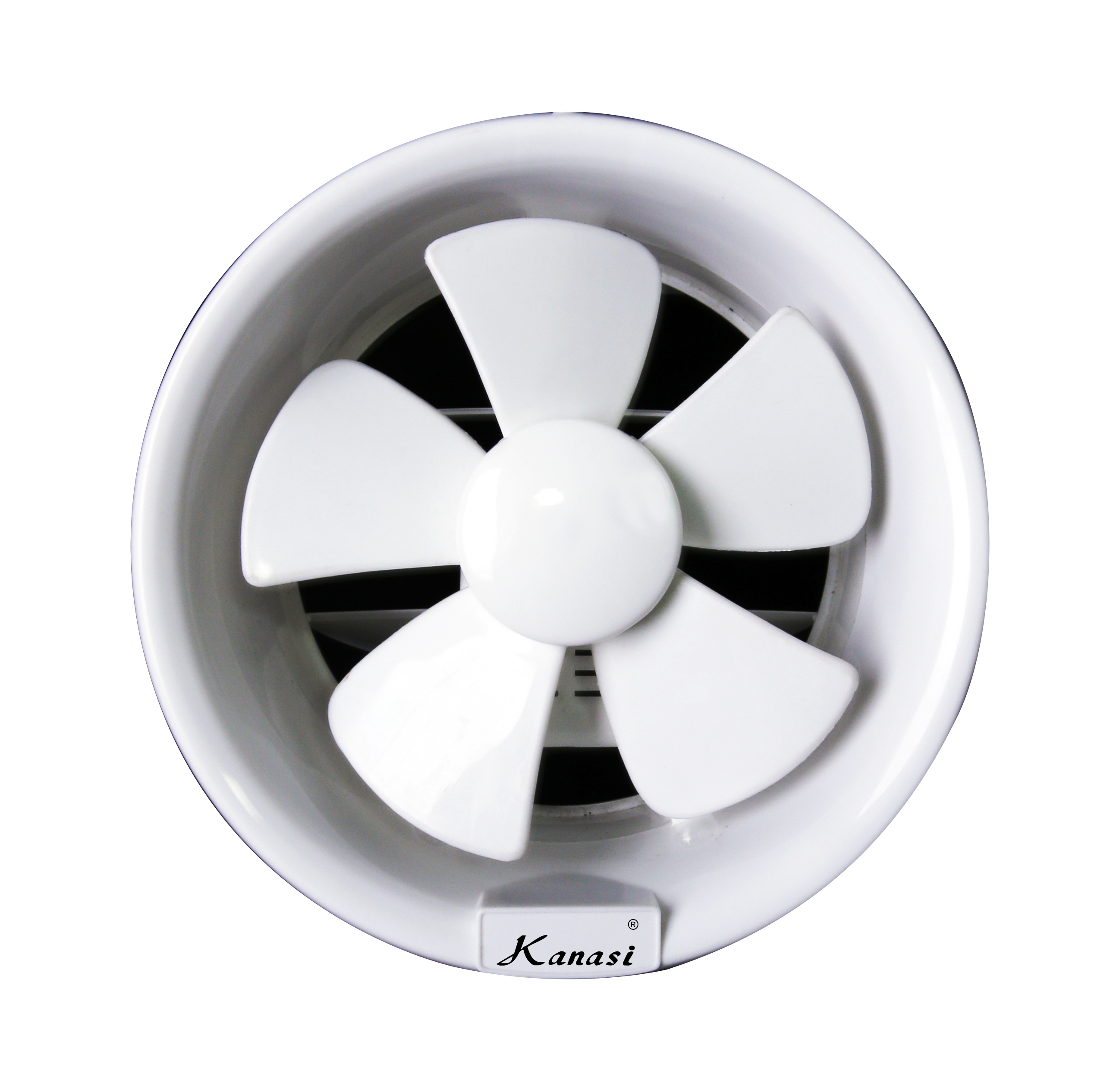
Every grower knows the pattern: a bright morning turns warm, humidity climbs, and by afternoon the lowest leaves sit damp enough for fungus to take hold. A greenhouse vent fan interrupts that sequence early, exchanging humid air for drier outside air and keeping the canopy moving. Ventilation is a yield-protection tool as much as a cooling tool, and the reasoning below shows why.
Why Greenhouse Airflow Decides Crop Health
Humidity, Condensation and Disease Pressure
Still, humid air is exactly what Botrytis and downy mildew wait for. When moisture-laden air touches cooler leaves or glazing, condensation forms and spores germinate within hours. A greenhouse vent fan sized for regular exchanges keeps relative humidity in a band where those pathogens struggle, while moving air disrupts the moist boundary layer around foliage before infection takes hold. Ventilation ranks among the most cost-effective disease controls available.
Transpiration and Uniform Growth
Plants transpire constantly, and stagnant air lets that moisture blanket the canopy, slowing further water movement and the calcium transport that depends on it. A greenhouse vent fan running gently stirs the canopy, evens out leaf temperature and strengthens stems. The first gain growers usually notice is uniformity: one harvest schedule instead of three.
Heat Relief Shade Cloth Cannot Deliver
Shade screens cut radiation but leave the hot air underneath untouched. Ventilation physically removes heated air, and paired with evaporative pads it can pull intake temperatures down substantially in dry climates. Together they protect crops through the hottest weeks without heavy energy costs.
How Negative Pressure Systems Do the Work
The Push-Pull Logic of Exhaust Ventilation
Most modern houses run negative pressure: exhaust fans discharge air outdoors, slightly lowering inside pressure so fresh air flows in through intake shutters or pads opposite. The approach gives predictable, directional airflow across the full crop width, something roof vents alone cannot deliver on calm days. Static pressure across the pads matters too, since excessive resistance wastes fan energy while too little lets air short-circuit.
Sizing With Tested Performance Data
Rules of thumb assume standard houses and moderate climates. When selecting a greenhouse vent fan, compare AMCA-certified performance data, which reports CFM against static pressure rather than ideal free-air conditions; a fan that looks powerful uninstalled may lose a third of its output pushing air through pads and shutters. Match total capacity to house volume and the target exchange rate.
Field Lesson From Antalya Cucumber Houses
A cucumber grower near Antalya lost lower canopies to Botrytis two seasons running, with humidity spiking past ninety percent after every irrigation cycle. Following a ventilation plan, the operation fitted exhaust units along one sidewall with pad inlets opposite, controlled by a humidistat-thermostat combination. Damp-period exchanges rose visibly, leaf wetness shortened, and the next season fungal losses fell by roughly two thirds while fruit uniformity lifted the packout price.
Running the System Season After Season
Controls That Respond Before Problems Show
Thermostats handle heat, but humidistats catch the risk that actually triggers disease. Controllers for a greenhouse vent fan stage several units in steps, holding gentle air circulation overnight and ramping up as solar load builds. Variable-speed models add energy efficiency by running only as hard as conditions demand instead of cycling between full power and silence.
Seasonal Maintenance Checklist
Fans run thousands of hours per season, and dust plus mineral drift from pads loads blades quickly. Clean guards and blades between crop cycles, check belt tension on belt-driven models, confirm shutters close fully against night backdrafts, and listen for bearing wear monthly. A greenhouse vent fan maintained this way holds its tested airflow for years.
In short, a greenhouse vent fan protects yield as directly as any input: it manages humidity, supports transpiration and denies fungal disease the still, damp conditions it needs. Growers who size from tested performance data, respond to humidity rather than temperature alone, and keep blades clean between cycles typically see the investment returned in fewer losses and steadier harvests.
Frequently Asked Questions
How much airflow does a greenhouse need?
Hot-climate cooling often targets one full air change per minute, while humidity control can run at far lower rates during cloudy periods. The right figure follows house volume, crop stage and local weather, so start from a ventilation calculation rather than a catalogue number, then fine-tune with a humidity sensor placed at canopy height.
Can a vent fan really reduce fungal disease?
Yes, by shortening leaf wetness duration, the window in which spores germinate. Regular exchanges drop interior humidity quickly after irrigation or rain, and moving air dries foliage surfaces directly. Growers who combine exchange with gentle internal circulation consistently report lower Botrytis pressure season over season, and clean pads keep the effect repeatable.
What is the difference between exhaust and circulation fans?
Exhaust fans swap inside air for outside air, removing heat and humidity at the source. Circulation fans only move the same air within the house, keeping the canopy stirred and preventing cold pockets. Healthy setups use both: a greenhouse vent fan for exchange, horizontal circulation fans for uniform conditions between exchange cycles.
Why choose negative pressure over roof vents alone?
Roof vents depend on wind and buoyancy, which collapse on calm, humid days precisely when disease risk peaks. Negative pressure fans deliver a fixed, measured exchange rate regardless of weather, and intake pads can cool the incoming air. Predictability is the main reason modern houses pair both, with fans carrying the load.
When should greenhouse fans run during the day?
Run them as humidity rises after irrigation, as afternoon temperatures climb, and gently overnight to limit condensation on cold glazing. Automatic humidistat-thermostat control removes guesswork and protects crops during unattended hours. The goal is steady conditions, so brief, frequent running beats rare bursts of full-power ventilation, and humidity sensors keep the schedule honest.