
 EN



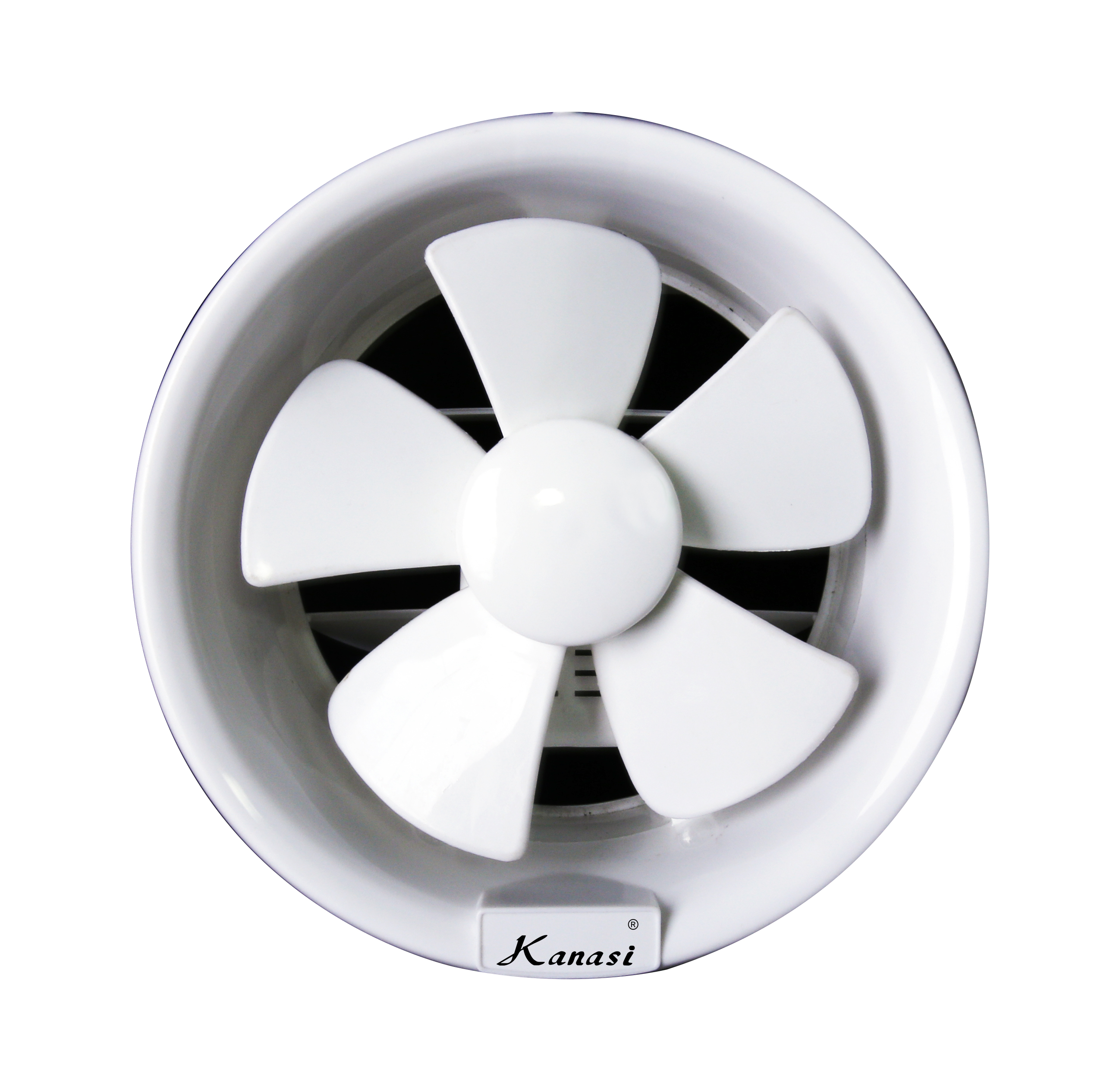
A roof ventilation fan works harder than almost any other equipment on a building, pulling heat, moisture and airborne dust out of the roof space nonstop. Once a wholesale shipment lands, performance depends less on the factory floor than on what happens afterward. Kanasi Electrical, founded in 2007 in Shunde, Foshan, supports its product lines with an independent R&D center, in-house production and a quality system holding a 98% pass rate; the after-sales guidance below reflects lessons from fleets across Europe, the Middle East and Africa.
Lessons From a Documented Fleet Recovery
Turning Around a Roof Ventilation Fan Fleet in the Gulf
A distribution partner serving warehouses across the Gulf ordered a rooftop fleet through Kanasi and, after two punishing summers, began logging repeated stoppages. Airflow dropped, motors tripped on thermal overload, and several roof ventilation fan assemblies seized outright. Kanasi service engineers visited the sites, documented each failure, and traced most stoppages to three causes: dust-packed bearings, cracked weatherproof sealing around the curbs, and capacitors weakened by extreme heat. The remedy combined matched spare parts kits, quarterly inspections and lubrication intervals adjusted for ambient temperatures above 45°C. Within one cooling season, stoppages fell to isolated events, the fleet returned to full availability, and the partner extended the program to every site.
What Neglected Maintenance Actually Costs
Neglected upkeep rarely announces itself; the bill arrives as downtime, damage or danger. When a roof ventilation fan stalls in summer, heat and humidity accumulate indoors, stressing workers, electronics and stored goods. Dust packed onto motor windings traps heat and raises fire risk in dusty workplaces covered by OSHA 29 CFR 1910 ventilation upkeep requirements. Failed weatherproof sealing lets rain seep into the curb, staining ceilings and damaging wiring below. A stalled unit never fails alone.
Why Parts Fail and How Design Responds
Heat, Dust and Lubricant Breakdown
Every failure mode has a physical root; knowing the mechanism turns failures into a plan. Bearing wear follows lubricant breakdown, because rooftop heat thins grease far faster than indoor duty ratings assume. Capacitor failure starts with electrolyte drying, accelerated by the 50-60°C a metal curb reaches at midday.
Blade Imbalance and Sealing Aging
Blade imbalance grows as dust adheres unevenly or corrosion eats the edges asymmetrically, adding vibration that loosens bearings and fasteners; weatherproof sealing ages under ultraviolet exposure and daily thermal cycling. Kanasi designs every roof ventilation fan against these mechanisms — sealed bearings, coated galvanized housings, balanced blades — with air performance verified to ANSI/AMCA 210 and ISO 5801 and safety tested under ANSI/UL 507.
Service Routines Distributors Frequently Skip
The Monthly, Quarterly and Annual Rhythm
The routines below decide whether a fleet earns or idles. Monthly, walk the roof with a short inspection checklist: listen for noise, feel for vibration, watch for blade wobble, and confirm curb flashing and weatherproof sealing are intact. Quarterly, schedule bearing lubrication with the grease grade the manufacturer specifies, measure capacitor values against the rated figure, and re-torque electrical terminals, which thermal cycling works loose. Annually, test motor windings insulation resistance, clean or rebalance blades, and renew corrosion protection on housings and fasteners, treating the program as preventive maintenance, not emergency response.
Spare Parts Planning and Repair Rules
Spare parts planning for a roof ventilation fan fleet matters equally. Stock capacitors, bearings, sealing gaskets and one complete motor per ten installed units, so a single failure never idles a building for weeks. Keep a written service log for every unit; a documented history speeds diagnosis and supports supplier claims. Repair when the fault stays isolated — a capacitor, a seal, a bearing — and replace when motor windings burn, the housing corrodes through, or accumulated quotes approach the price of a new unit. The frequently asked questions below close this guide.
Frequently Asked Questions
How often should fan bearings be lubricated?
Intervals depend on duty and climate. Quarterly lubrication suits continuous-duty rooftop units in moderate climates, while sites with ambient temperatures above 40°C or heavy dust, common across the Middle East and Africa, need service every six to eight weeks. Apply only the grease grade specified by the manufacturer, fill to the recommended level, and record each date so the next interval is planned, not guessed.
What are the early signs of capacitor failure?
Hard starting is the classic symptom: the motor hums, the blade needs a push, or the unit starts only after a delay. Weak airflow and intermittent tripping follow, as the motor draws excess current. A capacitance meter reading more than ten percent below the rated value confirms the diagnosis. Replace the part promptly, since a degraded capacitor stresses the windings and shortens motor life.
When does repair stop making sense?
Three situations favor replacement. First, burnt motor windings or a failed insulation test, because a rewound motor rarely matches original efficiency. Second, a housing or curb corroded through, since structural strength and weatherproof sealing cannot be restored dependably. Third, repair quotes approaching the current unit price; at that point, downtime risk and wasted energy tip the decision firmly toward a new unit.
Which spare parts should be stocked first?
Rank spare parts by failure frequency and how badly a stockout hurts. Capacitors and bearings head the list because they fail most often in hot, dusty service. Sealing gaskets and curb flashing materials follow, then complete motors at roughly one per ten installed units. Rotate stock first-in, first-out, and store capacitors cool and dry, because shelf age degrades them even before installation.
Can roof curb mounting affect a roof ventilation fan's service life?
It can, more than most buyers expect. A poorly leveled curb lets the housing twist, loading bearings unevenly and feeding vibration. Gaps in the flashing admit rain that corrodes fasteners and reaches the electrical box. Follow the manufacturer's curb dimensions and sealing instructions, isolate the curb from roof movement, and verify alignment at installation; correct mounting pays for itself across the entire service life.