
 EN



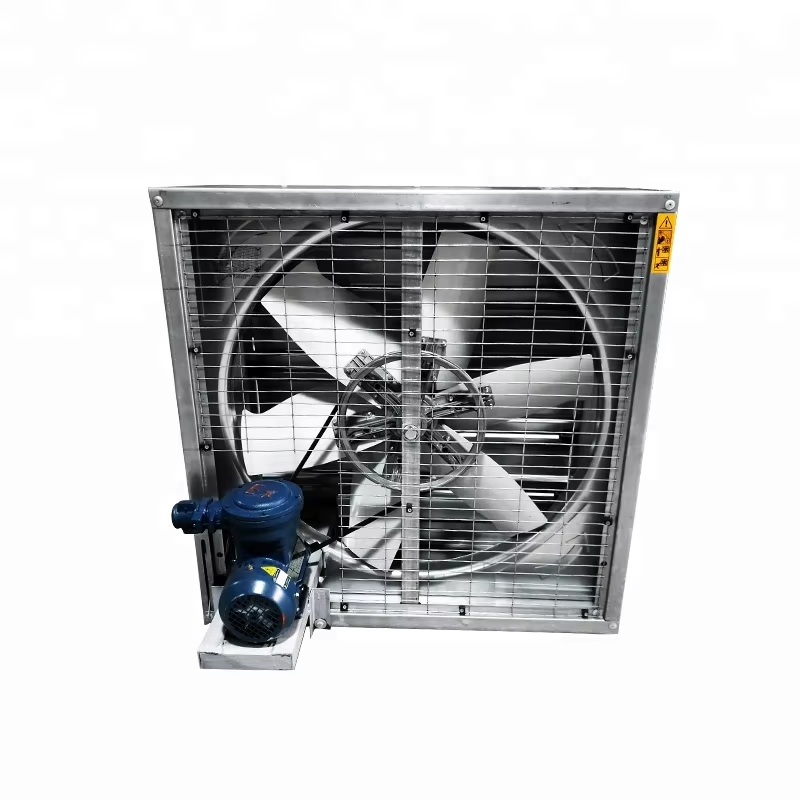
Outdoor heat is a different problem from indoor heat: no roof, no insulation, and customers sitting in direct sun. Conventional circulators just push hot air around. A mist fan with water tank adds evaporation to the equation, which changes what open-air venues can deliver. Model B234 packages that capability for resorts, cafes, event companies and distributors who need rugged outdoor cooling without plumbing.
The Physics Behind Evaporative Cooling
Where the Heat Actually Goes
Evaporating water absorbs energy: every gram that turns to vapor carries heat away from the surrounding air, which is why a fine mist feels dramatically cooler than its temperature suggests. The smaller the droplets, the faster they evaporate before reaching skin, so nozzle quality decides comfort more than water volume. A mist fan with water tank works hardest in dry climates, where air greedily accepts vapor; in coastal humidity the same hardware cools less and wets surfaces more.
Why Tank Capacity and Water Management Matter
Tank size sets runtime between refills, and that decides whether staff interrupt service mid-afternoon. The mist fan with water tank layout in B234 feeds a low-pressure pump sized for consistent droplet output rather than dramatic fog. A water level sensor protects the pump from dry running, which is the fastest way to kill one. Drainage matters too: standing water in lines breeds algae, so tanks and plumbing should empty cleanly at day's end.
Engineered for Outdoor Exposure
Weather Protection and Electrical Safety
Outdoor equipment lives with splash, rain and humid air around live parts. IEC 60529 defines the ingress protection scale buyers should use when comparing any mist fan with water tank: an enclosure rated to keep water spray out differs fundamentally from one that merely resists drips. B234's motor housing, switch gear and pump connections are sealed against splash ingress, and the frame drains rather than pools condensation. Confirm the rating applies to the complete assembly, not just the motor.
Nozzles, Pumps and Water Quality
The nozzles on any mist fan with water tank have tiny orifices, and hard water clogs them with mineral scale faster than anything else. Filtration at the tank outlet, clean supply water and periodic nozzle soaking keep output uniform. Pumps need priming checks after tank service, and seals deserve inspection each season. Buyers servicing resorts or event fleets should order spare nozzle sets with the first shipment, because downtime during peak season is expensive.
Field Lessons and Buying Guidance
An Outdoor Dining Case in Dubai
An outdoor dining venue operator in Dubai fought a familiar battle: shaded terraces still felt punishing from May onward, and guests migrated indoors, dragging table turnover down. Plumbing runs were impossible on a leased rooftop, so the team tested a mist fan with water tank layout instead. Staff positioned B234 units along terrace edges, refilling tanks at opening and mid-afternoon. Guests reported the seating felt comfortably cooler near the mist stream, tables turned faster during evening service, and the venue avoided permanent plumbing while keeping the setup mobile for private events.
Placement, Operation and Maintenance Tips
Position units where mist drifts across seating rather than onto tables and electronics, and aim fans downwind of the driest air available. Run pumps only while air moves, since still air lets droplets settle. Wipe tanks weekly, flush lines monthly, and store the unit dry during winter. These habits cost minutes and prevent the clogging and algae problems that shorten misting equipment life.
A mist fan with water tank earns its keep through evaporation, and evaporation rewards three things: fine droplets, dry ambient air and disciplined water care. B234 delivers the first through nozzle and pump engineering; buyers deliver the other two through placement and maintenance. Check ingress protection, request spare nozzles, and match tank runtime to service patterns before ordering.
Frequently Asked Questions
What humidity level limits evaporative cooling?
Evaporative cooling works hardest when relative humidity sits below roughly 60 percent; the drier the air, the bigger the temperature drop. In humid coastal climates the same equipment cools less and may leave surfaces damp, so buyers should match hardware to climate data rather than brochures. Hygrometer readings across a typical season tell buyers more about suitability than any single catalog claim.
Why does tank capacity matter for events and venues?
Refilling interrupts service, and staff never love climbing ladders with water containers mid-shift. Capacity decides whether one morning fill covers a full trading day or demands a second visit at peak heat. Venues with fixed staff routines prefer larger tanks or units placed near supply points, while event companies accept smaller tanks in exchange for easier transport between sites.
How much water does misting actually consume?
Consumption depends on pump pressure, nozzle count and run time, so treat catalog figures as planning guides rather than promises. As a rule, a modest single-unit setup uses only a few liters per hour, far less than most buyers expect. Measuring actual draw across one busy week gives any venue the exact refill schedule its tank needs.
Can units run on hard tap water?
Hard water leaves mineral scale inside nozzles and on tank walls, gradually choking output. Filtration helps, but the reliable approach combines a filter with periodic descaling: soak nozzles in a mild solution, wipe tank interiors, and watch spray pattern for early signs of blockage. Where supply water is extremely hard, switching refills to treated water pays for itself quickly.
Which checks should buyers make before ordering?
Confirm the ingress protection rating covers the whole assembly, ask how the water level sensor behaves at low level, and request spare nozzle sets and pump seals with the first order. Sample one mist fan with water tank before committing to volume, run it through a full fill-and-drain cycle, and inspect tank drainage, spray uniformity and frame finish in person.