
 EN



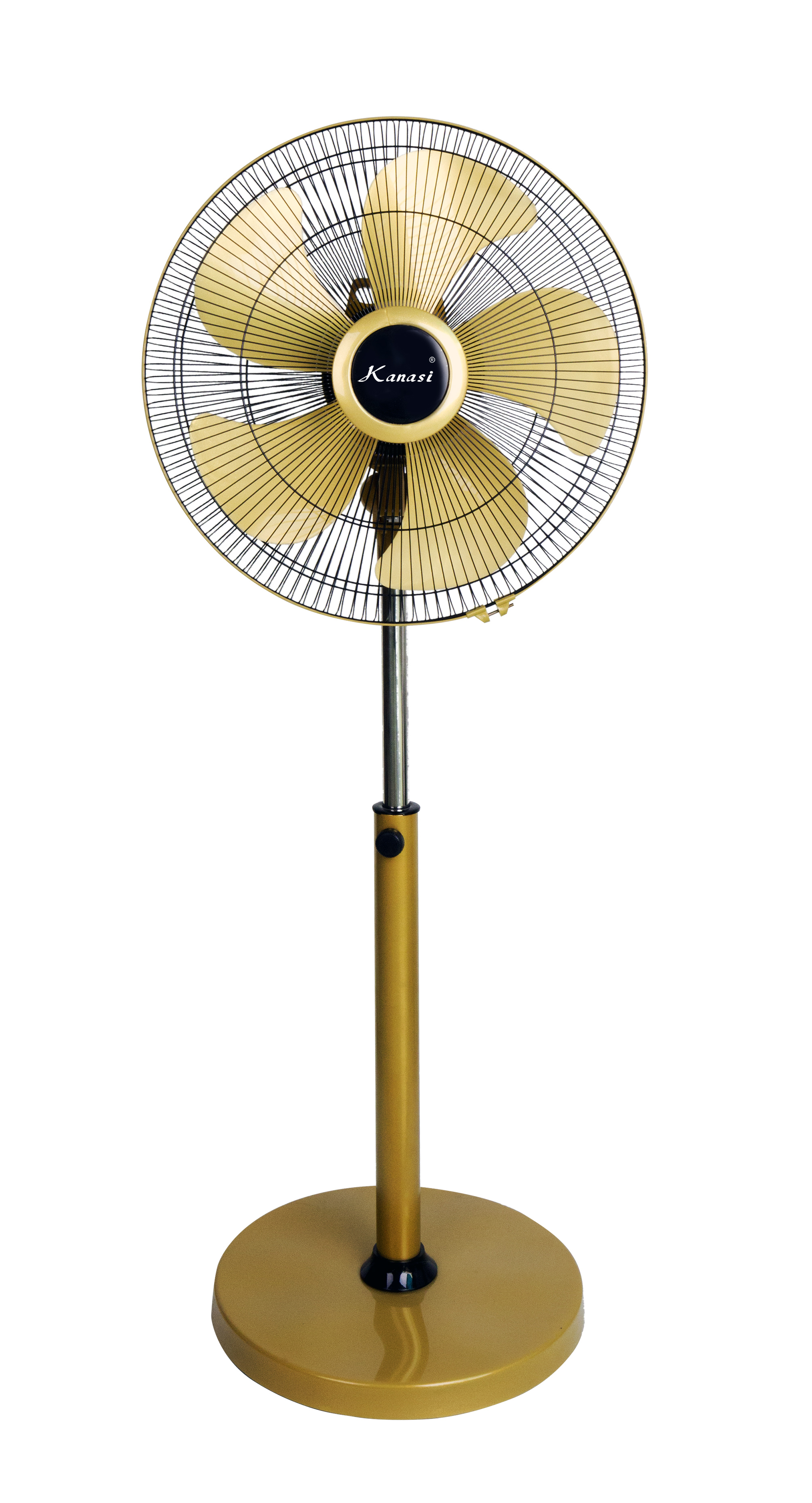
Open-air spaces heat up quickly, and ordinary household fans are not built for the challenge. An outdoor stand up fan such as the B258 delivers directed airflow to patios, campsites and resort terraces while resisting moisture, sun and gusts. This guide explains the design differences, a beachfront deployment, and the checks buyers should run before ordering.
What Makes an Outdoor Stand Up Fan Different
Weatherproofing and Motor Protection
Outdoor electrical equipment lives with rain, humidity and salt air. The B258 builds protection into the housing and motor, following IEC 60529 ingress protection practice, so splashes and dust stay away from the windings. Sealed switches and covered cord entries reduce trip hazards and corrosion. Indoor fans rarely carry such measures, which is why they fail quickly when moved onto a terrace — a distinction that defines any genuine outdoor stand up fan.
Stability: Base Design and Wind Load
A tall pedestal in an open yard faces gusts from every direction. The B258 answers with a wide weighted base, a low center of gravity and a rigid mast that limits wobble. Blade pitch matters here too: balanced blades keep vibration down when the unit runs for hours during dinner service. Buyers should always check base weight and footprint, because stability separates a dependable outdoor stand up fan from a tipping hazard.
Field Experience: A Beachfront Resort in Phuket
The Problem: Hot Evenings and Tipping Fans
A facilities team at a beachfront resort in Phuket hosted guests on an open-air dining terrace facing the water. Sunset hours were the busiest and the hottest; two household pedestal fans had already tipped over in evening gusts, and one failed after a rain shower soaked its motor. Guests crowded toward shaded corners and table turnover slowed. The team began shortlisting outdoor stand up fan models built for hospitality use.
The Terrace Deployment and Measured Results
Six B258 units went in along the terrace edge, weighted bases set on level pavers and heads angled to wash air across seating zones rather than at table settings. Each unit ran through evening service on medium speed, adding little noise to conversation-heavy dining rooms. The team reported guests spreading back across the terrace within the first week. Evening service felt noticeably cooler to staff and guests, and table turnover improved modestly during the hot season. After a full rainy season, all six units still ran without corrosion faults, and the resort added four more for the pool deck. Airflow claims for the B258 follow AMCA and ANSI test methods, which simplified comparison against alternatives.
Choosing and Caring for Outdoor Pedestal Fans
Buyer Checklist Before Ordering
When comparing outdoor stand up fan options, verify four points. Confirm the ingress protection level and whether the motor housing is sealed, not merely painted. Check base weight against expected wind conditions. Ask for airflow data from recognized tests rather than brochure claims. Review blade material, since UV-stable or metal blades outlast thin plastic under tropical sun.
Setup and Seasonal Maintenance
Place the fan on level ground, point airflow across seating instead of into diners' faces, and secure the power cord away from foot traffic. Rinse salt residue from metal parts in coastal sites, wipe grilles monthly, and inspect the cord before each season. Where monsoon weather allows, store units indoors during the wettest months. An outdoor stand up fan treated this way runs reliably for years of open-air service.
The B258 shows what a purpose-built outdoor stand up fan contributes to hospitality spaces: weatherproofed motor protection, stability under gusty evening conditions and airflow that keeps guests comfortable. Choose by ingress protection, base design and tested airflow, then maintain a simple seasonal routine, and the unit will earn its place season after season.
Frequently Asked Questions
Can a pedestal fan be left outside in the rain?
Units designed for outdoor use with sealed motor housings and protected switches handle splashes and showers, but no fan belongs submerged or exposed to storms. Position the fan under cover where possible, unplug it during heavy weather, and check the cord and plug regularly for moisture damage before restarting service.
What protects the motor from humidity and salt air?
Sealed housings rated under IEC 60529 keep dust and water away from windings, while coated metal parts resist corrosion. In coastal locations, salt accelerates rust on ordinary steel, so look for treated finishes and sealed bearings. Regular rinsing of external surfaces and prompt drying extend service life significantly in seaside environments.
How should the fan be positioned on a dining terrace?
Angle airflow across seating zones rather than directly at diners or tabletops, where strong air disturbs napkins, menus and candles. Mounting the head above seated chest height widens the coverage arc. Space several units so airflow overlaps, and keep each weighted base on level, firm ground to prevent rocking when the evening wind picks up.
Which base design suits windy locations?
A wide weighted base with a low center of gravity handles gusts far better than a narrow flat plate. Check base weight relative to fan height, and look for a cross-shaped or round footprint that resists tipping from any direction. Locking casters add mobility, but confirm they lock firmly before the fan serves diners.
What maintenance keeps an outdoor stand up fan dependable?
Monthly grille and blade cleaning preserves airflow and balance, and a seasonal check of the mast, base and fasteners catches looseness early. In coastal sites, rinse salt residue and dry metal parts. A well-kept outdoor stand up fan handles years of open-air service, while neglected units corrode and wobble within one or two seasons.