
 EN



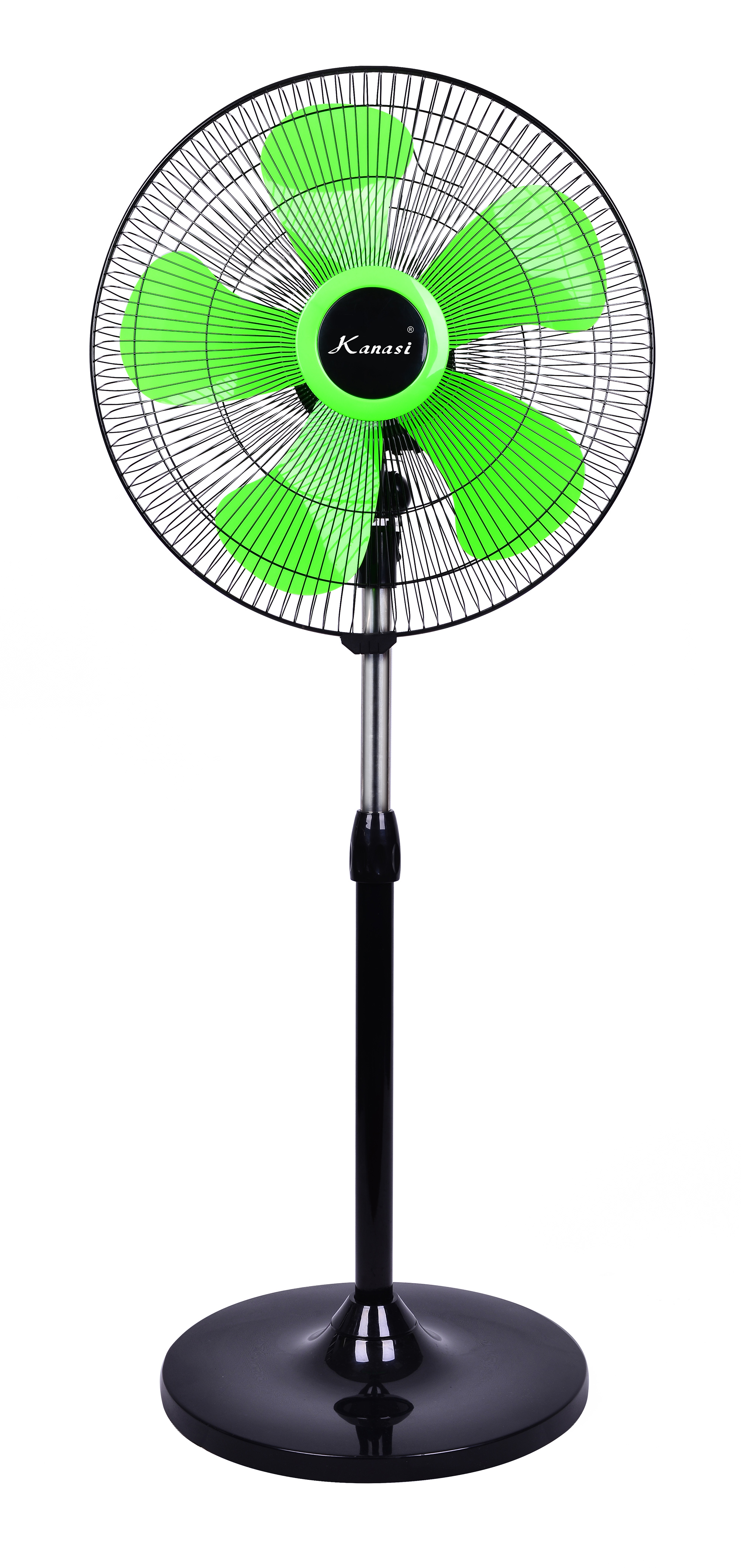
Salt-laden air, driving rain and pool splashback ruin ordinary cooling equipment within a season or two, which explains why demand for outdoor standing fans waterproof enough for wet zones keeps climbing among hospitality buyers. The Lambertzs B342 was engineered for exactly these conditions: a sealed motor housing, moisture-protected switchgear and a weighted base that stays planted in coastal gusts. This guide covers how waterproofing works and what distributors should confirm before ordering.
Why Waterproofing Decides Fan Lifespan
What IP Ratings Really Mean
Every waterproof claim traces back to IEC 60529, the international standard defining Ingress Protection codes. The first digit covers solids, the second covers water, and IPX4 confirms an enclosure survives splashing from any direction. Buyers comparing outdoor standing fans waterproof enough for permanent exposure should treat IPX4 as a floor. Beachfront decks face driving rain, salt fog and condensation far harsher than any splash test, so the engineering behind the code matters more than the code itself.
How the B342 Seals Water Out
The B342 earns its rating through layered engineering, not one heroic gasket. The motor sits in a sealed aluminum housing; the switch box carries a compression-sealed cover; the power cord enters through a molded strain-relief grommet that blocks water wicking along the cable. Ventilation slots point downward, letting condensation drain away from the windings. This layered approach separates outdoor standing fans waterproof by design from units merely labeled water-resistant.
Salt Fog and Hidden Corrosion
Water is only half the threat near the ocean. Salt spray attacks fasteners, bearings and circuit contacts long after surfaces dry. The B342 counters this with aluminum blades, coated hardware and a motor isolated from corrosive particles. Buyers sometimes assume outdoor standing fans waterproof enough for beaches need no upkeep; salt fog proves otherwise. Distributors should advise end users to rinse housings with fresh water, because no coating defeats salt indefinitely.
A Beachfront Case Study From Bali
The Scenario and the Problem
A beachfront restaurant owner in Bali ran an open-air dining deck beside an infinity pool, serving eighty guests on peak evenings. Two inexpensive domestic fans failed inside seven months: one motor seized after a rainstorm, while the other rusted at its height-adjustment joint and wobbled near diners. Each emergency replacement cost more than the savings, and staff pulled broken units from tables mid-service.
The Solution and the Results
The owner compared outdoor standing fans waterproof listings and chose the B342. Light rain no longer forced shutdowns, since the sealed switch box and motor housing kept running through weather that killed the previous fans. After eighteen months neither motor had failed, and cooling-failure downtime fell to nearly zero in peak season, protecting roughly twenty covers a night that moved indoors whenever drizzle began.
Buying, Installing and Maintaining
A Pre-Order Checklist
Before committing to a container, verify the IPX4 rating report, not marketing claims, confirm the motor includes thermal overload protection, and match base weight and footprint to site winds. Wind-load stability depends on base diameter as much as mass; a narrow base tips in gusts. Distributors comparing outdoor standing fans waterproof options should review published airflow figures, since output at working speeds matters more than blade diameter on paper.
Installation and Seasonal Care
Setup stays simple: level ground, a weather-rated outlet with ground-fault protection, and clear space around the grille. In storm season, move the fan under cover or lay it flat, because IPX4 construction is not built for typhoon-driven horizontal rain. Monthly care means wiping the grille, checking the cord grommet for cracks and listening for bearing roughness. A coastal cooling fan rinsed and inspected this way outlasts a neglected one by years.
Outdoor cooling equipment fails quietly, a rusted joint here and a seized motor there, until the replacement budget disappears. Choosing outdoor standing fans waterproof to IEC 60529, built with sealed motors, UV-resistant housing and corrosion-aware materials, changes that arithmetic. For distributors and venue operators in coastal or humid markets, the B342 balances protection, airflow and stability from a manufacturer that engineers for real weather.
Frequently Asked Questions
What Does IPX4 Protect Against?
IPX4 under IEC 60529 confirms the fan withstands splashing water from any direction, covering rain drift and pool splash. It does not certify submersion, so the base should never stand in pooled water. The B342 belongs to the class of outdoor standing fans waterproof enough for unshielded pool decks because its rating rests on a sealed motor housing and downward-draining vents, not a sticker.
Why Do Fans Fail Outdoors?
Three failure paths dominate. Water reaching windings shorts the motor; corrosion seizes bearings and height joints; ultraviolet exposure embrittles housings until vibration cracks them. Budget units usually fail at the switch box first, the least protected opening on most designs. The B342 answers all three with layered sealing, coated hardware and UV-resistant surfaces, keeping its outdoor failure rate low in coastal markets.
Can the B342 Stay Outside in Rain?
Yes, within reason. IPX4 sealing handles rain drift and moderate showers, so the fan keeps running through weather that stops ordinary units. Sustained horizontal rain, typhoon conditions or standing water exceed the rating, so relocating the unit during severe storms remains the professional recommendation. Treat IPX4 as resilience for everyday weather, not immunity from extremes.
How Is Coastal Maintenance Done?
Rinse the housing and grille with fresh water every few weeks to strip salt residue, wipe the blades, and inspect the cord grommet for cracking. Listen monthly for bearing roughness, an early warning of intrusion. Store the unit upright under a roof during the off-season. These habits cost minutes and extend service life substantially in marine environments.
Do Weighted Bases Matter in Wind?
They matter more than most buyers expect. Sea breezes accelerate through gaps between buildings, turning a top-heavy fan with a narrow base into a tipping hazard beside guests or pools. The B342 uses a wide, weighted base that resists gust-induced rocking without sandbags. Relocate during storm warnings, since no freestanding base suits extreme wind, but everyday coastal gusts are handled comfortably.