
 EN



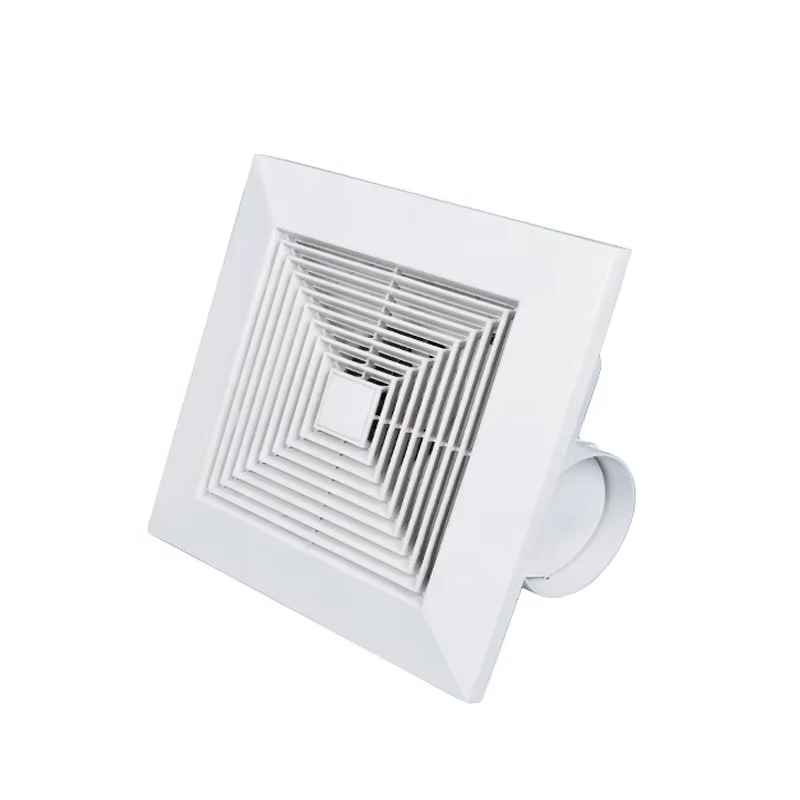
Steam, odors and humidity left inside a bathroom damage paint, grout and fittings faster than anything else in a building. A properly sized bathroom vent fan such as the B027 pulls moist air out before it condenses, protecting both the room and the people using it. This guide covers how exhaust ventilation works, a coastal hotel retrofit, and practical buying advice.
How a Bathroom Vent Fan Moves Moisture Out
Airflow, Static Pressure and Duct Runs
Exhaust performance is measured in CFM, but the number that matters on site is delivered airflow after duct losses. Every elbow, long run and cheap flex duct adds static pressure, which chokes the impeller and cuts extraction sharply. The B027 is engineered with a static-pressure-tolerant impeller, tested to AMCA air performance methods, so rated flow survives real ductwork. ASHRAE 62.1 ventilation guidance gives flow targets per fixture room; meeting those targets is what separates an effective bathroom vent fan installation from a decorative grille that moves nothing.
Moisture-Resistant Motor Design
Bathrooms punish motors with condensation and humidity spikes after every hot shower. The B027 uses a motor with moisture-sealed windings and a housing that shrugs off splashes, following IEC 60529 ingress protection practice. Thermal protection guards against stalled impellers and clogged grilles. Because the fan runs for long stretches in humid air, corrosion-resistant blades and a sealed bearing arrangement matter as much as raw power in any dependable bathroom vent fan.
Field Experience: A Coastal Hotel in Da Nang
The Problem: Humidity, Mold and Guest Complaints
A maintenance supervisor at a seaside hotel in Da Nang fought recurring mold on bathroom ceilings. Salt-laden air, year-round humidity and long hot showers overwhelmed the original exhaust units, which had weak motors and leaky duct joints. Housekeeping repainted constantly, online reviews mentioned musty smells, and the team cycled portable dehumidifiers that raised operating costs. The hotel needed a bathroom vent fan replacement program with higher extraction and tighter ducting.
The Retrofit and Measured Results
Forty guest bathrooms received B027 units with short, smooth duct runs and weather-hooded terminations. Housekeeping reported bathrooms drying within an hour of cleaning instead of staying damp overnight. Ceiling-moisture readings dropped noticeably within the first weeks, and repainting moved from monthly touch-ups to occasional maintenance. Musty-smell complaints in guest feedback fell sharply over the following season, and the supervisor credited tighter ducting as much as the fans. The property later extended the same bathroom vent fan specification to its spa changing rooms.
Choosing, Installing and Caring for Exhaust Ventilation
Buyer Checklist Before Ordering
Buyers comparing bathroom vent fan options should check four points. Match CFM ratings to room size and duct length, and ask whether ratings were measured against static pressure. Confirm moisture protection and thermal protection on the motor. Inspect the mounting frame for simple installation through wall or ceiling. Check noise figures too, since guests judge a quiet fan far more kindly than a loud one.
Installation and Maintenance Tips
Install ducts short and straight, seal every joint, and terminate outside rather than into a ceiling void where moisture condenses. Clean grilles monthly, because dust on blades cuts airflow and adds noise. Check duct hoods seasonally for bird nests or debris. Simple habits like these keep a bathroom vent fan extracting at rated capacity for years instead of slowly fading.
The B027 shows what a well-engineered bathroom vent fan delivers: extraction that survives real duct losses, a motor built for humid air, and quiet operation guests appreciate. Size against ASHRAE targets, insist on tested airflow figures, keep ducts tight and clean, and the fan will protect both the room and the building around it.
Frequently Asked Questions
What size fan does a typical bathroom need?
Common guidance starts near fifty CFM for small bathrooms and rises with room size and fixture count. Duct length and bends change the equation, since every restriction reduces delivered flow. Measure the room, add for long or twisting duct runs, and choose a fan whose tested rating covers the total rather than the bare minimum.
Why does a fan still leave condensation on mirrors?
Exhaust removes humid air, but make-up air has to enter the room to replace it. With the door fully sealed, extraction collapses and moisture lingers. Leave a gap under the door or add an undercut vent, and run the fan for fifteen to twenty minutes after showers so humid air keeps moving toward the grille.
How long should the fan run after a shower?
Fifteen to twenty minutes is a good rule for typical bathrooms. Short runs leave humid air trapped, while hours of unnecessary running waste electricity and wear the motor. Models with timer functions or humidity sensors automate the decision, holding extraction until moisture readings fall instead of relying on guests to remember.
Can one fan serve two bathrooms?
Sometimes, but rarely well. Joining two rooms to one unit multiplies duct length and static pressure, which cuts delivered airflow to each room, and odors can travel between spaces through the shared duct. Separate units per room deliver predictable extraction and keep ducts short, which is why hotels almost always specify one exhaust fan per bathroom.
How often should exhaust ducts and grilles be cleaned?
Grilles and blades belong on a monthly cleaning schedule, especially where dust or hair accumulates quickly. Ducts need seasonal inspection, and exterior hoods deserve a check for nests and debris each quarter. A clogged bathroom vent fan moves little air no matter how strong the motor is, so cleaning protects both extraction performance and bearing life.