
 EN



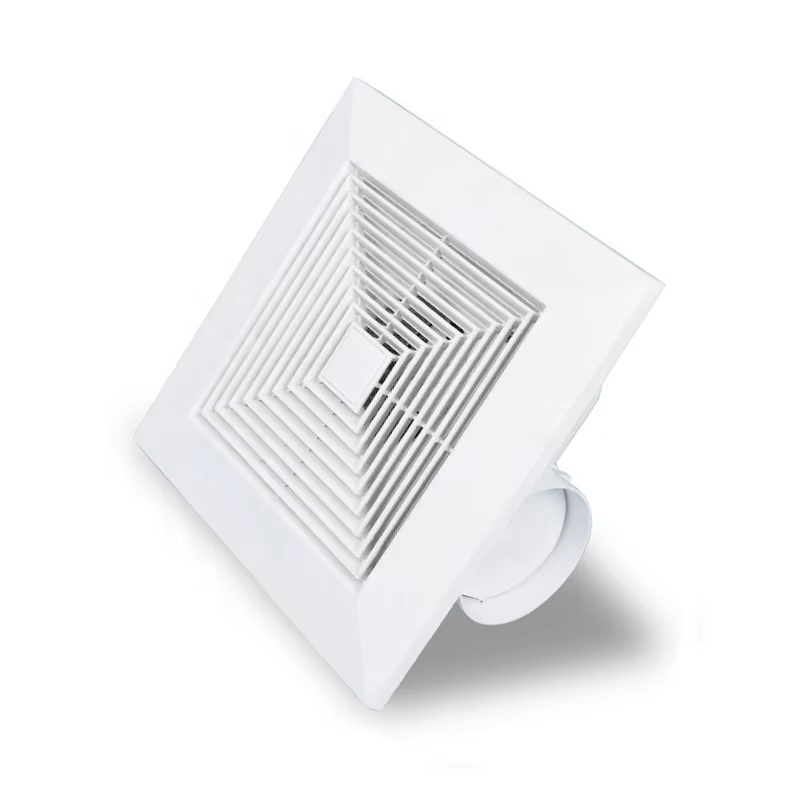
Outdoor heat empties terraces, stalls, and docks faster than any price list. A fan with mist spray answers that problem by pairing strong airflow with a fine water curtain, dropping perceived temperature through evaporation rather than refrigeration. The B154 from Kanasi, a Shunde-based manufacturer producing fans since 2007 across an 80,000 m² plant, was built for exactly these settings: open-air dining, warehouse docks, and livestock houses. The sections below follow one documented deployment, then close with selection and maintenance guidance.
A Documented Deployment: Cooling a Beachfront Terrace
Fan With Mist Spray B154: From Empty Tables to Full Ones
A Spanish restaurant group running beachfront terraces lost peak-season revenue each summer, as guests moved indoors by midday. Kanasi supplied B154 units along the terrace perimeter, each a fan with mist spray plumbed to a filtered line and angled so the plume drifted over seating without soaking chairs. Managers recorded guests returning through the hottest weeks and longer dinner dwell times.
The pattern repeats across settings. Outdoor hospitality venues use a fan with mist spray to keep patios usable through heat waves; warehouse operators aim units at open docks; poultry houses lean on the same physics because birds cannot sweat. Cooling arrives locally, at a fraction of refrigeration energy.
Why Droplet Size Decides Cooling Versus Wetting
Evaporative cooling works because water absorbs heat as it vaporizes, and droplet size decides whether that physics helps or hurts. Droplets near 10-20 microns evaporate almost fully in mid-air, pulling heat from the air and lowering perceived temperature several degrees. Above roughly 50 microns, droplets fall as rain, wetting chairs and floors. Flash evaporation before landing separates cooling from wetting.
Pump, Nozzles, Water, and Wiring
Pump Pressure and Nozzle Geometry
A low-pressure pump feeds precision nozzles set across the airstream, and pump pressure sets droplet size: higher pressure shears water finer, weak pressure leaves heavy spray that drips. Nozzle orifices are machined small on purpose, each positioned for maximum flight time to evaporate. Air performance is measured to ISO 5801, and units leave in-house lines under a supervision system holding a 98% pass rate.
Water Quality, Mineral Buildup, and Clogged Nozzles
Water quality is the quiet failure point. Hard water carries calcium and magnesium that deposit inside orifices as mineral buildup, shrinking each opening until output fades. Nozzle clogging rarely announces itself; one blocked head goes dry while neighbors keep running. Untreated supply also feeds algae that blocks filters downstream. Any fan with mist spray on a hard-water supply needs inlet filtration; very hard districts benefit from a demineralizing cartridge.
Electrical Safety Near Water and Overcooling
Spray and electricity share one cabinet, so construction follows ANSI/UL 507, covering insulation and moisture exposure. On site, outlets serving a fan with mist spray should carry GFCI protection, with cables routed away from puddles — precautions consistent with OSHA guidance on electrical equipment in wet locations. Overcooling matters too: saturating an enclosed patio pushes humidity upward and cancels the benefit, so run mist intermittently.
Choosing and Keeping a Fan With Mist Spray Running
Buyer Checklist Before Ordering
Compare candidates on tested airflow — figures to ANSI/AMCA 210 or ISO 5801, not adjectives — then on pump type and pressure, nozzle material such as brass or stainless, tank capacity, and included filtration. Ask how nozzles are serviced: quick-release heads with spare kits cut downtime to minutes. Confirm enclosure ratings for outdoor use and mounting hardware for walls, stands, or ceilings. A supplier with an independent R&D center can match throw distance to a specific patio or dock.
Maintenance Schedule for Nozzles and Pump
Weekly, flush the tank, wipe the splash guard, and check every head for dry output. Monthly, soak nozzles in mild descaling solution to dissolve early mineral buildup, and clean inlet filters. Seasonally, drain lines before freezing weather. Log pressure readings, because a slow decline signals scaling long before heads fail. Treated water plus that rhythm keeps a fan with mist spray producing dry, evaporative cooling for years. The frequently asked questions below address common concerns.
Frequently Asked Questions
What makes a fan with mist spray cooler?
A standard fan moves air; a misting fan adds evaporative cooling. Fine droplets flash to vapor mid-air and absorb heat, lowering perceived temperature beyond airflow alone. Since the energy is mostly pump work, the effect arrives at a fraction of refrigeration cost. The trade-off is maintenance: droplets stay fine only while nozzles and water stay clean.
How small should droplets be?
Droplets in the 10-20 micron range evaporate almost completely before reaching skin, creating genuine cooling. Above roughly 50 microns, droplets behave like light rain: they wet floors and seating and leave people stickier than before. Ask suppliers for nozzle specifications and operating pressure, since both determine the spray actually delivered.
Why does hard water cause clogging?
Hard water carries dissolved calcium and magnesium that concentrate at each nozzle orifice and deposit as scale, narrowing the opening week by week. Output fades unevenly, some heads dry up, and flakes travel downstream to block filters and pump seals. Filtration, descaling soaks, and treated make-up water interrupt that cycle.
Can misting fans run safely near wiring?
Yes, when installation follows the rules it was built to. Construction to ANSI/UL 507 covers insulation and moisture separation; GFCI-protected outlets, cables routed above standing water, and level-mounted tanks handle the site side. Position the plume across people rather than onto switchgear or sockets, and keep ventilation open so humidity escapes. Routine inspection keeps the combination manageable.
How often should nozzles be cleaned?
In hard-water regions, soak nozzles in descaling solution monthly and flush the tank weekly; soft-water sites can stretch to every six weeks. Watch pressure readings: a steady decline across weeks indicates mineral buildup forming before heads stop spraying altogether. Keep spare nozzle kits on hand, since a clogged head replaced in minutes beats downtime during a heat wave.