
 EN



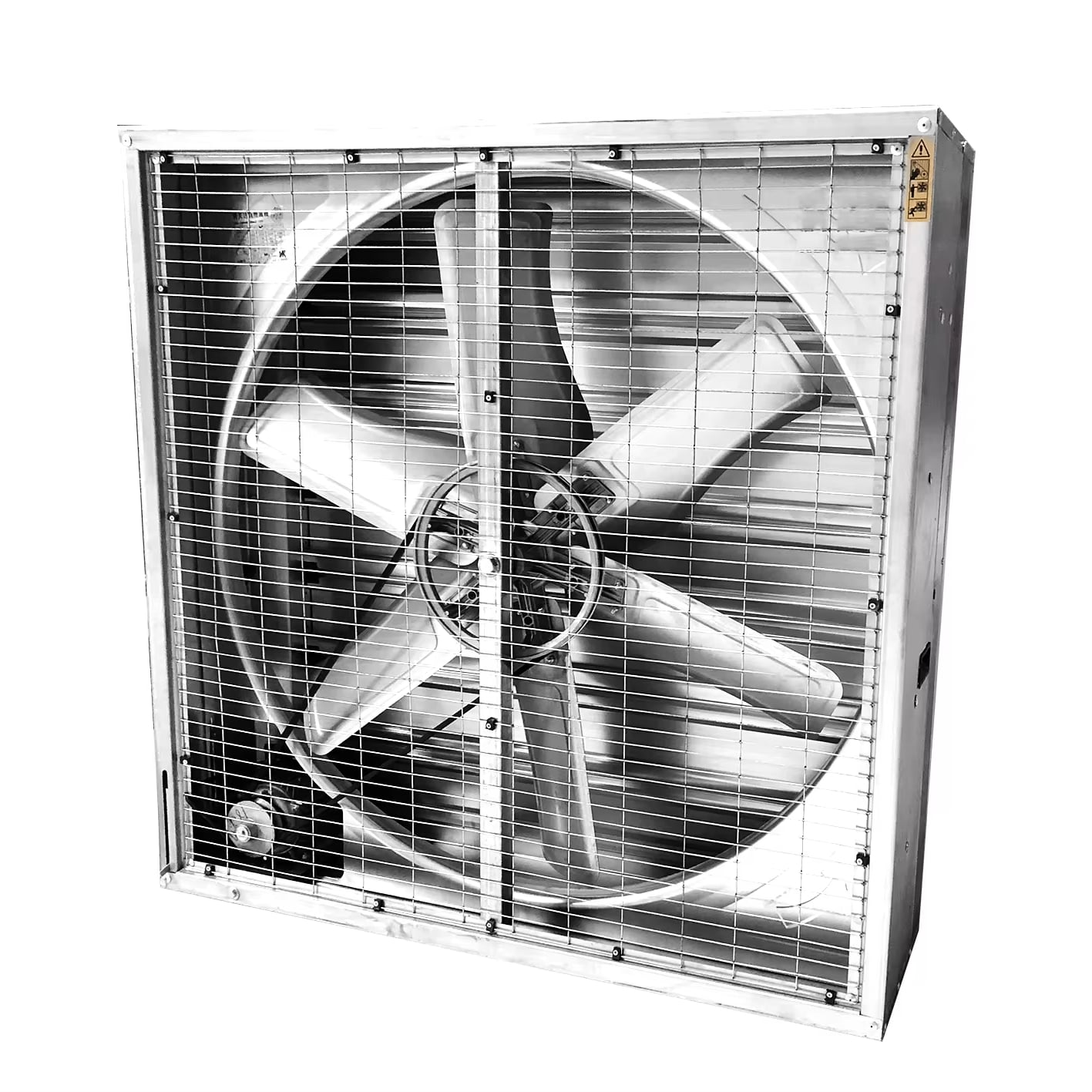
Every busy kitchen pushes out air that rarely gets noticed. Steam, heat and grease-laden vapor rise off the cook line, condense on cold surfaces and coat ductwork. A wall mounted kitchen extractor fan sits close to the source, pulling that load straight through an outside wall and keeping the room workable. The B248 from Kanasi was engineered for this job: a compact wall unit built around washable grease filtration and a motor placed out of the dirtiest air stream.
A restaurant chain that fixed its kitchen air
Why the chain chose a wall mounted kitchen extractor fan
A quick-service restaurant chain in Southeast Asia operates dozens of outlets with tight space behind the cook line and little ceiling ducting option. Kanasi supplied the B248 as a documented retrofit: one wall mounted kitchen extractor fan on an exterior wall beside each frying and griddle station, fitted with washable grease filters staff rinse in place. Backed by a quality supervision system with a 98% quality pass rate, the chain standardized on this model across new outlets, simplifying training and spares.
From problem to result
Without local extraction, vapor drifted across the kitchen and into dining areas. Pass-through windows fogged within minutes, floors turned slippery by mid-service, condensation dripped onto prep surfaces, and grease settled on tiles near open flame. Housekeeping crews needed longer on every closing shift. After the retrofit, managers reported clearer sightlines, drier floors and shorter cleaning routines. Each wall mounted kitchen extractor fan needed no duct construction, so units ran within a single shift of delivery, and filter washing became routine housekeeping rather than a contractor visit.
Risks that build quietly in commercial kitchens
Grease buildup and fire exposure
Grease particles escape even well-run cooking lines and collect on filters, fan housings and duct walls, where layer upon layer becomes fuel sitting in the airflow path. NFPA 96, covering commercial cooking ventilation and fire protection, exists because of this hazard, and inspectors treat accessible, cleanable grease-bearing components as a core requirement.
Negative pressure and its side effects
A fan that exhausts more air than the room receives creates negative pressure. Doors become hard to open, gas burners can be starved of combustion air, and flue gases may spill back into the workspace. Any wall mounted kitchen extractor fan therefore needs a planned replacement path, not merely a hole in the wall.
Humidity, corrosion and equipment damage
Steam carried into cool corners condenses on electrical housings, wall studs and window frames. Moisture attacks contacts and fasteners, feeds mold in hidden cavities and shortens the life of nearby equipment. Extraction at the source keeps vapor from reaching those surfaces.
Engineering a wall mounted kitchen extractor fan installation
Airflow balance and make-up air
ASHRAE 62.1 sets baseline ventilation rates for acceptable indoor air, but kitchens add their own arithmetic: every cubic meter exhausted must be replaced. Make-up air can arrive through a dedicated supply fan, transfer grilles from adjoining spaces, or both. Sized roughly to match exhaust, a wall mounted kitchen extractor fan then runs at rated airflow instead of straining against a vacuum.
Grease separation, motor placement and cleanability
Effective kitchen extraction starts with separating grease before air reaches the impeller. Inside the unit, washable mesh filters sit ahead of the airflow while the motor stays outside the main grease stream, a layout aligned with ANSI/UL 507 expectations for fan safety. Confirm that filters lift out without tools and housings wipe down smoothly.
Selection, clearances and a working cleaning schedule
Size the wall mounted kitchen extractor fan to the hood or capture area, keep the clearance the manual specifies from combustible surfaces, and confirm the wall carries the load. Practical rhythm: wipe housings daily, wash filters weekly in heavy-fry sites, check mounting bolts and vibration monthly, and inspect blades, guards and the surrounding wall quarterly. Log every task; records matter during fire-code visits. The frequently asked questions below answer what food service operators raise most often.
Frequently Asked Questions
How often should filters be cleaned in a busy kitchen?
Frequency follows the menu. Heavy frying or wok sites should wash filters weekly and wipe housings daily, while low-grease operations can stretch filter washing to every two weeks. A simple rule works too: inspect visually, and when mesh no longer shows daylight or airflow drops noticeably, cleaning is overdue.
Can a wall mounted unit replace a full ducted hood system?
It depends on the cooking process. Light-duty appliances such as steamers and electric griddles are often served well by wall units placed close to the source. Heavy broiling or solid-fuel cooking usually requires a listed hood with an engineered duct under NFPA 96. Many operators combine both, covering satellite prep and dish areas with B248 units.
What makes a wall mounted kitchen extractor fan effective near the source?
Distance is the enemy of grease capture. Vapor cools as it travels, and once grease condenses it sticks to whatever it meets instead of reaching the filter. Mounting the fan beside the cook line shortens that journey, captures vapor while it is hot and moving, and removes heat before it spreads through the room.
Why does exhaust without make-up air hurt performance?
A fan can only move air that exists. When a kitchen is sealed tight, every cubic meter exhausted lowers indoor pressure, and the fan fights that vacuum instead of moving vapor. Symptoms include whistling doors, flickering flames and lingering smoke. Adding a make-up air path, even a simple transfer grille, restores rated airflow.
Which standards should buyers check before purchasing?
Three references cover most questions. ANSI/UL 507 addresses the safety of the fan itself, including construction and electrical integrity. NFPA 96 governs how cooking ventilation ties into fire protection, covering cleanable grease paths and inspection access. ASHRAE 62.1 guides replacement air volumes. Ask suppliers which of the three their documentation supports.