
 EN



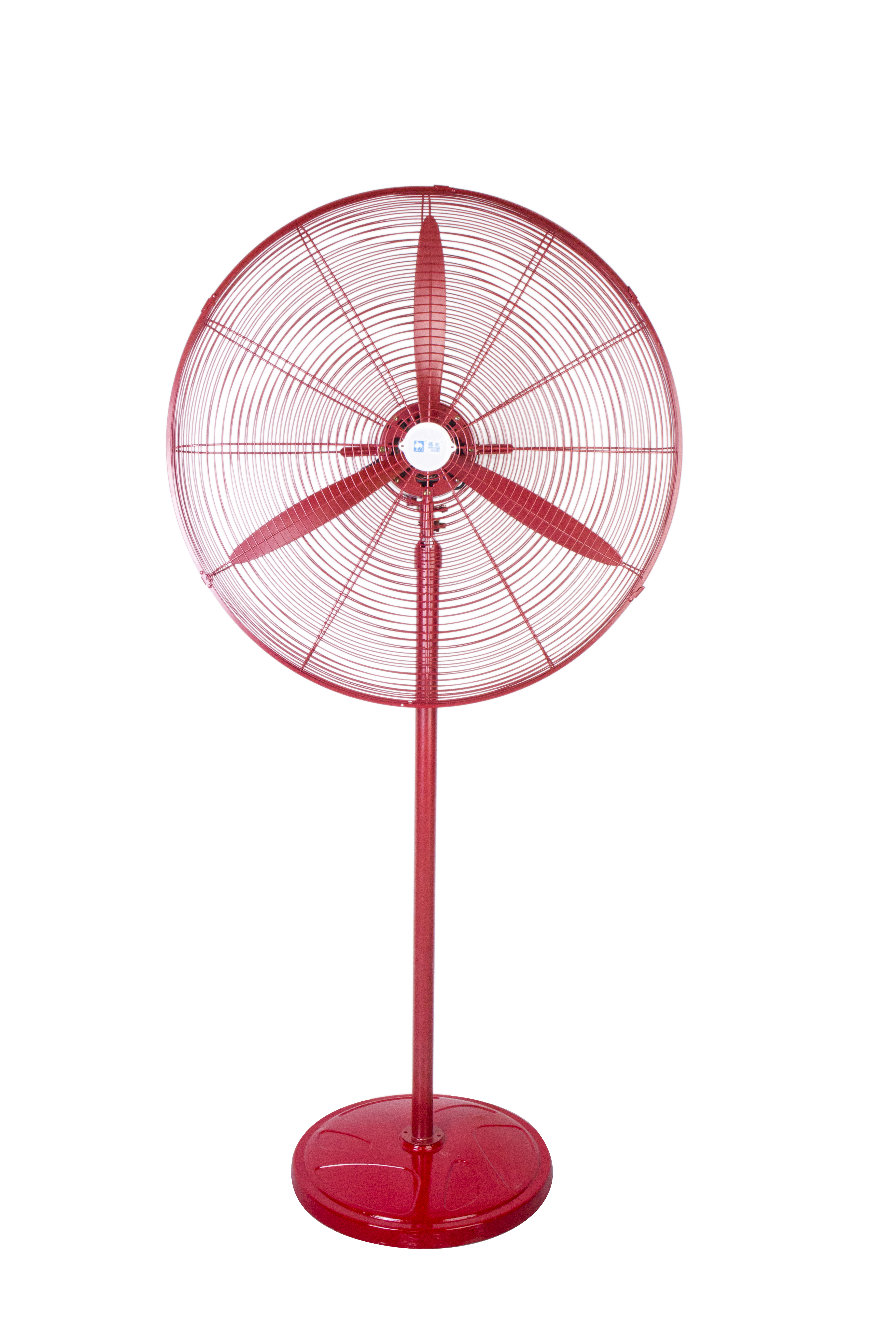
Heat is one of the most underestimated costs on a production floor. When indoor temperatures climb past 35°C, output drops, error rates rise, and workers lose focus. A properly specified stand fan industrial use model such as the B383 tackles the problem directly, moving large air volumes across workstations without the cost of an HVAC retrofit.
Why Stand Fan Industrial Use Equipment Matters on the Factory Floor
Airflow Demands at Busy Workstations
Occupational safety guidance, including OSHA recommendations on workplace ventilation and heat stress, treats air movement as a primary low-cost defense against heat fatigue. A fan does not cool the room; it speeds evaporation from skin, which makes a hot shop feel cooler. Engineers therefore size equipment by CFM rather than blade diameter alone, and in any serious stand fan industrial use catalog, coverage area and mounting height outweigh styling.
How Blade Pitch and Motor Design Drive Performance
Two components decide whether a fan survives factory duty. The first is blade pitch, the angle each blade cuts the air. Steeper pitch moves more air but demands more torque, so the B383 balances pitch against blade span for strong throw without strain. The second is the motor itself: a copper-wound induction unit with thermal overload protection that cuts power automatically when heat builds beyond safe limits. Sealed ball bearings rated for continuous duty keep it turning through long shifts.
Field Results: Cooling an Electronics Assembly Line in Ho Chi Minh City
The Challenge: Heat Buildup and Worker Fatigue
A workshop manager running an electronics assembly plant in Ho Chi Minh City faced a familiar situation. Metal roofing radiated heat into a workspace where forty technicians soldered, inspected and packed boards. By mid-afternoon, readings near the benches reached 36°C, and rework rates climbed noticeably. Wall-mounted units left dead zones, so the team shortlisted several stand fan industrial use candidates and requested trial units for a two-week test before a volume order.
The B383 Deployment and Measured Outcomes
Eight B383 units arrived with adjustable pedestals and wide oscillation. The crew placed four along the soldering rows and four beside packing benches, raising each head to about 2.2 meters so air washed over operators without disturbing components. Operators said workstations felt cooler within minutes; afternoon bench readings fell by roughly three degrees. Rework incidents trended downward over three months, and the plant standardized on the same stand fan industrial use model across a second hall. Because catalog airflow figures follow AMCA and ISO 5801 test methods, comparing supplier claims was easy.
Choosing, Installing and Caring for Pedestal Fans
Buyer Checklist Before Ordering
Procurement teams evaluating a stand fan industrial use purchase should verify five points. Confirm the motor type and whether thermal protection is built in. Ask for airflow data measured to recognized test standards rather than marketing claims. Check the base: a heavy base with locking casters prevents tipping in aisles. Review speed settings for seasonal flexibility, and check blade material; aluminum holds its pitch better than thin plastic under heat.
Installation and Electrical Safety
Placement affects both safety and comfort. Angle the fan so air travels across operators instead of directly at paperwork or soldering stations, and route the power cord away from walkways. A head above chest level creates a wider comfort zone. Electrical connections belong to a qualified technician, and a stand fan industrial use installation in damp workshops calls for periodic inspection of plugs and cable insulation.
Maintenance for Long Bearing Life
Bearing wear is the leading failure mode in continuous-duty fans, and most of it is preventable. Wipe blades and grilles monthly, since dust unbalances blades and raises motor load. Each quarter, check pedestal joints for wobble and listen for grinding that signals dry bearings. Motors should never be hosed down. Well-maintained stand fan industrial use equipment commonly runs for years in demanding workshops, while neglected units can fail within one season.
The B383 shows what thoughtful stand fan industrial use design delivers: a thermally protected motor, balanced blades and a stable base that holds up under continuous duty. Specify by airflow, motor quality and serviceability rather than price alone, and the equipment repays that care with steadier output.
Frequently Asked Questions
What coverage does one B383 unit provide?
A single unit comfortably serves three to five operators, depending on layout and mounting height. With the head raised to roughly 2.2 meters and oscillation enabled, airflow spreads across a wide arc. For open halls, plan spacing of six to eight meters and overlap airflow patterns slightly to eliminate dead zones.
Why does thermal overload protection matter in factory fans?
Factory motors often run ten or more hours daily. Thermal overload protection monitors winding temperature and cuts power before insulation degrades, then allows a restart once the motor cools. Without this safeguard, a blocked grille or dusty winding can quietly cook the motor, turning an affordable fan into scrap within one season.
How should pedestal height be adjusted for workstation cooling?
Set the head slightly above chest height so air passes over operators rather than straight into their faces. This wider angle dries sweat without blowing documents or solder fumes across benches. After adjusting, lock the pedestal collar fully and confirm the base sits level; a loose collar lets the head drift.
Can the B383 run continuously through long production shifts?
Yes, within its design limits. The B383 pairs sealed ball bearings with a thermally protected induction motor, so continuous duty across standard shifts is expected use. Give the motor a cooldown break when ambient temperatures exceed 40°C, keep grilles clear of dust, and the stand fan industrial use duty cycle will hold up without derating.
Which maintenance tasks deserve a monthly slot?
Monthly, wipe blades and grilles to remove dust, check that the base and casters remain tight, and glance at the cord for abrasion. Quarterly, retighten pedestal fasteners and listen for bearing noise at low speed. These habits keep airflow efficient and extend motor life well beyond what neglect would allow.