
 EN



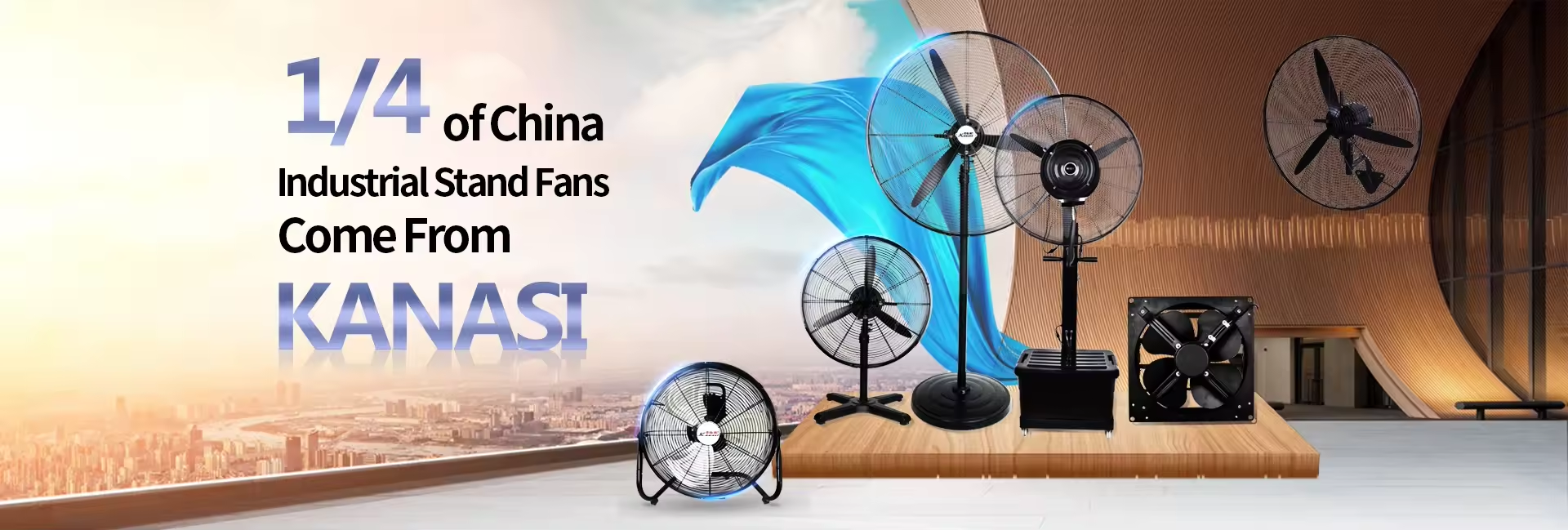
Buying industrial fans is really a decision about manufacturing partners. Two suppliers can quote similar units with very different outcomes after twelve months on a factory floor or a hotel rooftop. This guide walks procurement teams through what separates serious fan manufacturers from assembly traders, where industrial fan applications demand different equipment, and how to audit a supplier before money changes hands.
What Separates Real Fan Manufacturers From Traders
In-House Capability That Shows
Factories that wind their own motors control copper quality, insulation class and thermal protection settings; those that injection-mold housings control tolerances and material grade. When comparing fan manufacturers, ask which processes happen in-house: motor winding, blade molding, metal fabrication, dynamic balancing and final performance testing each add a layer of control. Trading companies outsource all of it, which explains why identical-looking units can differ wildly in noise, lifespan and consistency.
Test Standards Worth Asking About
ISO 9001 certification signals a managed quality system, but performance claims need performance standards. ISO 5801 defines how industrial fan airflow and pressure are measured, so test reports referencing it can be compared between suppliers. Serious fan manufacturers hand over the report itself, not a summary slide, for the exact model quoted. A supplier that produces certified data usually owns the lab behind it; one that stalls is often reselling documentation it never created.
Matching Fan Types to Applications
Warehouses, Workshops and Logistics
Large interiors fight heat stratification: hot air collects near the roof while staff work in stagnant lower layers. High-volume floor fans and pedestal units break that layering, moving air across aisles and racking. Ventilation guidance such as OSHA recommendations for workplace air movement gives buyers a reference point for airflow per area. Key specs include throw distance, oscillation range and duty cycle, because warehouse fans run for hours, not minutes.
Agriculture, Greenhouses and Livestock
Growers and livestock operators need continuous air movement to control humidity, limit fungal pressure and reduce heat stress in animals. Corrosion resistance matters as much as airflow, since ammonia and irrigation mist eat standard hardware. Fans destined for these environments should carry sealed motors, coated housings and washable grilles, because cleaning happens weekly and downtime during a growth cycle gets expensive.
Hospitality, Kitchens and Confined Spaces
Hotels, restaurants and commercial kitchens need quieter, more presentable equipment, often running near guests all day. Fan manufacturers serving this duty prioritize noise figures, stable bases and easy-clean surfaces. Confined spaces such as parking structures and plant rooms add another requirement: continuous-duty motors rated for long unattended operation. Matching the fan category to the space prevents the most common sourcing mistake, buying industrial muscle for hospitality duty or the reverse.
Auditing Suppliers Before Committing
A Practical Factory Audit Checklist
An audit need not be elaborate. Walk the production line and confirm the claimed processes actually exist on-site. Sample five units from finished goods, not the showroom, and compare them for noise, vibration and airflow consistency. Review quality paperwork covering incoming materials, in-process checks and finished-goods testing. Reputable fan manufacturers welcome this kind of sampling, and export experience shows in packing quality, container loading practice and documentation.
Case Study: Sourcing for a Hotel Group
A procurement manager running a ventilation sourcing project for a hotel group with twelve properties inherited a messy fan fleet: five suppliers and a field failure rate above twenty-five percent within a year. The manager shortlisted three fan manufacturers, audited each factory, and standardized one sealed-motor model across the estate. Within eighteen months the failure rate fell below five percent, spare-parts inventory shrank to a single motor and blade set, and housekeeping reported simpler cleaning routines. Consistency, not unit price, produced the savings.
Sourcing decisions made on price alone rarely survive contact with real operating conditions. Evaluating fan manufacturers on in-house capability, verified test data and audit evidence takes longer up front, yet it pays back every year the equipment keeps running. For buyers building long-term supply relationships, the factories worth shortlisting are the ones that welcome questions, open their production floor and document what they claim.
Frequently Asked Questions
What Documents Should Buyers Request First?
Start with three items: a performance test report referencing ISO 5801 or an equivalent standard, quality system certification such as ISO 9001, and a specification sheet listing motor type, airflow, noise and protection features. Cross-check the model number on every document, because mismatched paperwork is a classic signal of trading companies reselling products they never tested.
Why Do Quoted Prices Vary So Much?
Differences usually trace to copper content in the motor, bearing grade, plastic quality and testing depth. Two fans can look identical while one uses thinner windings that overheat under continuous duty. Extremely low quotes often reflect lighter materials that pass a showroom demonstration but fail within months, which is why established fan manufacturers price above the floor rather than chase it.
How Does ISO 5801 Testing Help Buyers?
The standard defines uniform methods for measuring airflow and pressure, which makes independent comparison possible. Without it, every supplier quotes numbers produced under its own assumptions, and nothing can be checked. Reports produced to ISO 5801 let buyers line up candidates on the same axis, then use price and service terms as tiebreakers rather than as the whole decision.
Which Applications Need Industrial-Grade Units?
Any space with continuous operation, dust, moisture or heat stress justifies industrial construction: warehouses, greenhouses, livestock sheds, kitchens and plant rooms. Domestic-grade fans assume intermittent household use and lighter loads. When duty cycles stretch past a few hours daily, industrial-grade motors and housings typically pay for themselves through fewer replacements and less maintenance attention.
Do Factory Audits Really Change Outcomes?
They do, because audits test claims directly. Buyers who walk production lines regularly discover mismatches between brochures and reality: missing balancing machines, crowded final inspection, or finished goods stored in damp conditions. Those findings predict field failures long before any purchase order, and audit results give buyers leverage, since repeat orders depend on what was seen.