
 EN



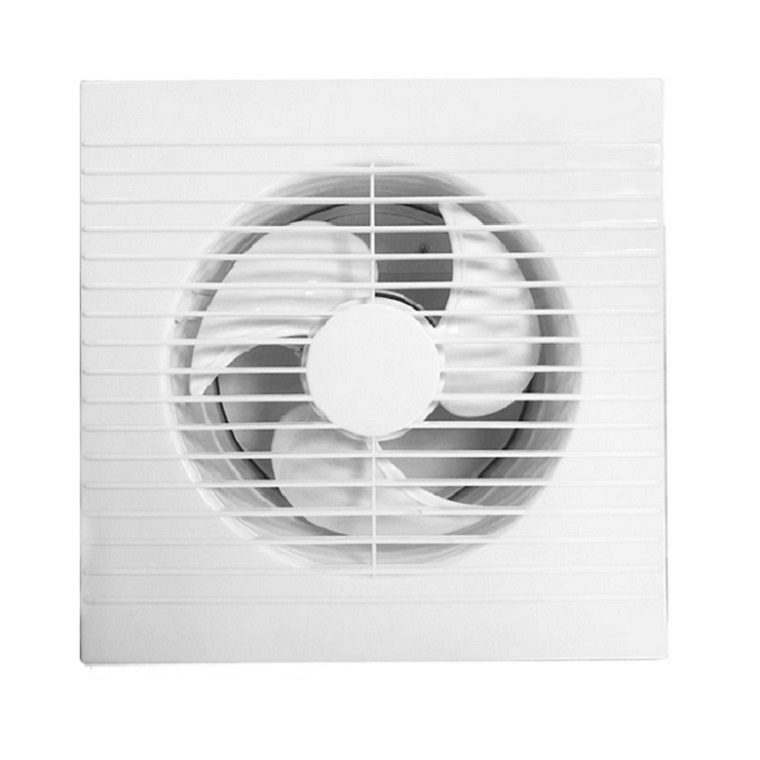
Loading docks, generator rooms, pump houses, and agricultural buildings share one requirement: move stale air out while keeping rain, wind, and pests outside. A louvered exhaust fan solves that with one integrated unit — the fan pulls air through a frame of angled blades that fall shut when the motor stops. The B266 was developed for contractors wanting wall-mounted extraction without separate shutters, dampers, or bird screens bolted on afterward.
How the Louver Shutter Works
Blade Linkage and Backdraft Control
Gravity-controlled blades are the heart of the design. Air leaving the fan pushes the blades open; when the motor stops, counterweights and blade geometry let them settle shut, blocking wind driven rain, cold drafts, and insects. A well-made louvered exhaust fan keeps this linkage simple — fewer pivot points mean fewer rattles after a season of storms. The B266 adds a light backdraft damper action, so inward gusts cannot flap the blades open in cycling bursts that wear the linkage.
The Wind Resistance Trade-Off
Open louvers do add resistance. Blade pitch deflects airflow, and every deflection costs static pressure, which is why a louvered exhaust fan is rated as a complete assembly rather than a bare wheel. Testing to AMCA 500-L louver procedures, alongside fan ratings verified under ANSI/AMCA and ISO 5801 methods, tells buyers how much pressure the assembly adds at design airflow. Counting that penalty during duct sizing prevents the classic mistake of undersizing a fan that fights its own shutter.
Choosing the Right Build
Materials for Corrosive Sites
Salt air, fertilizer dust, and humid livestock buildings destroy thin steel shutters within two seasons. Aluminium blades resist corrosion naturally, while powder-coated housings and stainless fasteners extend frame life considerably. An IP44 or better motor enclosure keeps condensation and wash-down water out of windings, and sealed bearings stretch the greasing schedule. For such environments, a louvered exhaust fan specified with enhanced coatings costs a little more up front yet avoids replacement every second monsoon.
A Coastal Warehouse Case
The maintenance manager of a coastal fruit cold-store battled two problems: humid air creeping back through idle fans overnight, and rain wetting pallets near wall openings. After fitting one B266 louvered exhaust fan per wall across nine openings, inward leakage stopped — temperature logs showed steadier overnight holding conditions, and pallet wrap near the walls stayed dry through a full storm season. Staff no longer taped plastic sheet over the openings each evening, saving an hour of daily labor.
Installation and Everyday Use
Wall Mounting Done Right
Flash the mounting collar properly so storm water cannot wick behind the frame, orient blades to shed rather than trap rain, and fit a bird screen on the outside face where pests are active. Feed the motor through a weatherproof cable gland, and place an isolation switch beside the unit for safer servicing. A louvered exhaust fan also needs clear space for blades to swing fully open, since a frame pressed against an awning restricts airflow and motor cooling.
Maintenance That Prevents Rattles
Seasonal attention keeps the mechanism quiet: wipe salt and dust from blades, check pivot screws, and confirm each blade still closes under its own weight. Sticky hinges are the usual cause of flutter, cured with a drop of light oil and a wiggle. Inspect gasket edges annually, because a cracked gasket invites drafts. These ten-minute routines typically double the working life of both shutter and bearings in exposed coastal installations.
Specifying a louvered exhaust fan is ultimately about protecting the opening as much as moving the air. The B266 combines a corrosion-conscious build with a shutter rated as part of the complete assembly, and production supports custom frame sizes, voltages, and export packaging for overseas buyers. Buyers who match materials to climate, account for shutter pressure loss, and schedule seasonal blade care consistently report quieter, longer-lived wall ventilation.
Frequently Asked Questions
How does it differ from a shuttered fan?
The shutter is built into the frame, so a louvered exhaust fan installs as one sealed unit whose blades sync with the motor. Installation is faster, the assembly seals more consistently against wind driven rain, and there is no gap between fan and shutter where drafts leak. Add-on shutters often rattle because their linkage never matched the airflow beneath.
Why do louver blades flutter after some months?
Flutter usually traces back to sticky pivots, loose screws, or blades warped by sun and salt. Dust packs into hinge lines until blades no longer close cleanly, so gusts bounce them open and shut. Seasonal cleaning, a drop of light oil on pivots, and torque checks on the screws restore quiet operation, and an annual gasket inspection stops drafts from creeping back.
Can it be wall-mounted near salt air?
Yes, with material upgrades. Specify aluminium blades, powder-coated housings, and stainless fasteners, plus a motor enclosure rated IP44 or above so washing water and condensation stay out of the windings. Flashing the mounting collar correctly matters as much as the hardware, because salt water wicking behind a frame corrodes even coated steel. Coastal buyers typically report several extra seasons of service from upgraded builds.
When should the shutter mechanism be serviced?
Twice a year suits most sites, ideally before storm season and again before peak summer operation. Each visit takes about ten minutes: wipe blades, clear dust from hinge lines, confirm every blade closes under its own weight, and check gasket edges. Buildings near livestock, fertilizer stores, or construction dust need quarterly attention, because abrasive particles accelerate pivot wear and gasket cracking.
Which standards should buyers check before ordering?
Look for louver air performance tested to AMCA 500-L procedures and fan ratings verified under ANSI/AMCA or ISO 5801 methods, since these confirm how much static pressure the complete assembly adds at design airflow. Certificates matter when engineers must justify duct sizing or replacement selections. A supplier sharing test reports and batch inspection records is generally worth shortlisting.