
 EN



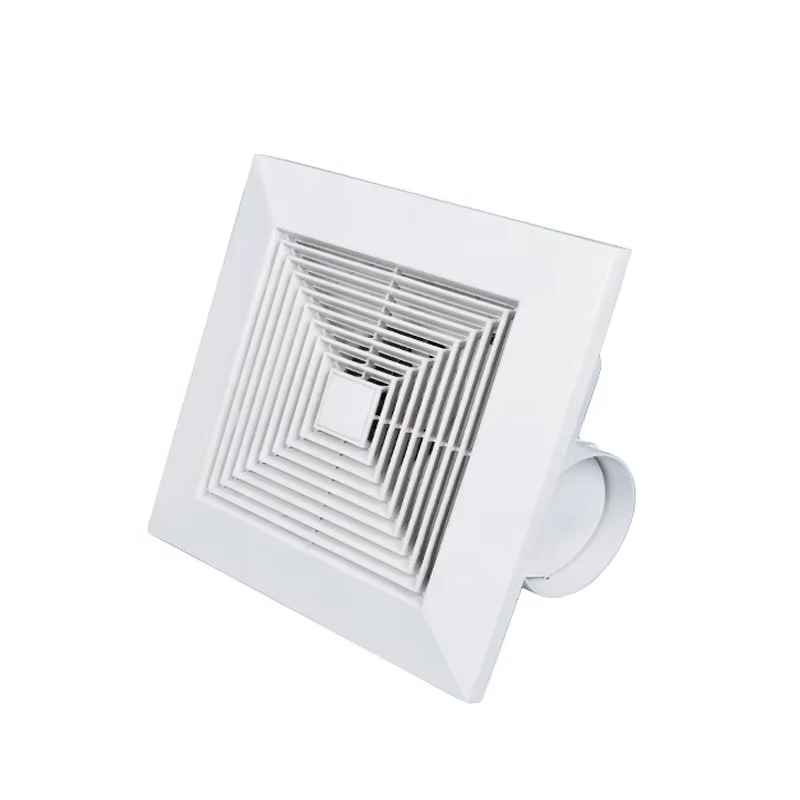
Engineering for Heavy-Duty Extraction
Direct Drive and Duty Cycle
Belt-drive systems need tension checks and belt swaps that quietly add maintenance hours, so the B026 goes direct drive: the impeller mounts on the motor shaft, eliminating alignment drift and slip. The totally enclosed motor carries thermal overload protection and insulation suited to warm plant rooms, supporting continuous duty rather than intermittent household-style cycling. For buyers comparing units, a commercial extraction fan with direct drive means fewer service visits and steadier airflow through evening service.
Impellers and Duct Velocity
Grease and dust punish open fan wheels, so the B026 uses a backward-inclined impeller that sheds residue better than forward-curved designs and holds balance as films build. Long grease ducts demand capability at high static pressure; kitchen extraction commonly targets duct velocity near 500 feet per minute to keep grease suspended rather than settled inside the run. A commercial extraction fan must hold airflow against that resistance plus hood and filter losses, which is why the B026's curve was developed for long duct runs.
Compliance and Real-World Installation
What NFPA 96 Expects
North American kitchen projects reference NFPA 96, the fire code for commercial cooking. It shapes the fan's role directly: exhaust equipment serving grease-producing appliances must stay accessible for cleaning, manage grease for inspection and removal, and survive fire exposure within rated duct enclosures. Specifying a commercial extraction fan with hinged access, grease drain-away from the motor, and compatibility with upblast or wall mounting keeps the system inspection-ready.
A Dubai Kitchen Contractor Case
A commercial kitchen contractor in Dubai fitting out a central production kitchen faced a familiar bottleneck: crowded rooftop space, long duct runs, and afternoon heat pushing motor temperatures toward limits. The contractor specified B026 units for the hood lines, each mounted for upblast discharge with a grease channel routed away from the motor housing. Despite summer plant-room temperatures above 45 degrees, each commercial extraction fan held steady through double shifts, and the kitchen passed civil defense inspection on the first visit.
Selection and Servicing
A Buyer's Selection Checklist
Match the fan curve to calculated system resistance — hood filters, duct length, and discharge losses — rather than free-air numbers. A commercial extraction fan chosen this way keeps its rated airflow at the real operating point. Confirm motor enclosure class for hot or dusty plant rooms, request spark-resistant features where flammable vapor is present, and check that grease drains or fittings stay reachable without dismantling. For export orders, ask how impellers are balanced and whether units are run-tested before packing.
Maintenance That Protects the System
Grease management decides both fire risk and motor life. Schedule hood and duct cleaning to match cooking volume, keep the drain path clear so residue leaves rather than pools, and inspect the commercial extraction fan's impeller balance annually, since accumulated film causes vibration that wears bearings. Workshops running dust extraction should check blade wear and duct velocity quarterly, since settled dust quietly raises resistance and drags airflow down.
Selecting a commercial extraction fan is a system decision, not a catalog pick: motor class against duty hours, impeller style against grease and dust, fan curve against real duct resistance, and construction against the site's inspection regime. The B026 bundles those priorities into one unit, with production flexible on voltage, mounting, and export packaging for buyers worldwide. Buyers who spec against the duct system rather than the brochure spend fewer nights worrying about callbacks.
Frequently Asked Questions
What size fan does a kitchen hood need?
Start from hood capture — airflow must exceed the rate that pulls cooking vapors into the hood and keeps duct velocity high enough that grease stays suspended, commonly near 500 feet per minute. Add hood filter, duct, and discharge losses, then read the commercial extraction fan's curve at that total static pressure. Undersized fans leave haze at the cook line and let grease settle inside ducts.
Why favor direct drive in kitchens?
Belts stretch, slip, and snap on a schedule of their own, and every tension check is labor on a rooftop. Direct drive mounts the impeller on the motor shaft, removing alignment drift and keeping airflow steady through long services. Fewer wearing parts also mean fewer overnight failures during dinner rush, which is why most modern kitchen installations have moved firmly in that direction.
How does grease affect the fan?
Grease films build on impellers, shifting balance and causing vibration that wears bearings prematurely. Residue also narrows the effective airflow path and, inside the duct, becomes the very fuel that NFPA 96 rules exist to manage. Drains, accessible housings, and scheduled cleaning keep residue moving out of the system instead of accumulating around the motor or settling along the run.
When should ducts be cleaned or inspected?
Cleaning frequency follows cooking volume: high-volume fryer and charbroiler lines often need quarterly service, moderate kitchens semi-annual, and light-duty sites annual. Inspections should also follow any equipment change, since new appliances alter vapor loads. Keeping written records of each cleaning supports compliance visits and helps facilities teams spot airflow decline before it becomes a kitchen-wide problem.
Which construction details matter for workshop dust extraction?
Dust is abrasive, so impeller material and coating, sealed bearings, and a totally enclosed motor all extend service life. Spark-resistant features matter wherever metal grinding produces ignitable dust. Duct velocity deserves attention too — when particles settle, they gradually choke the run and drag performance down long before the fan itself fails, so quarterly velocity checks catch the problem early.